
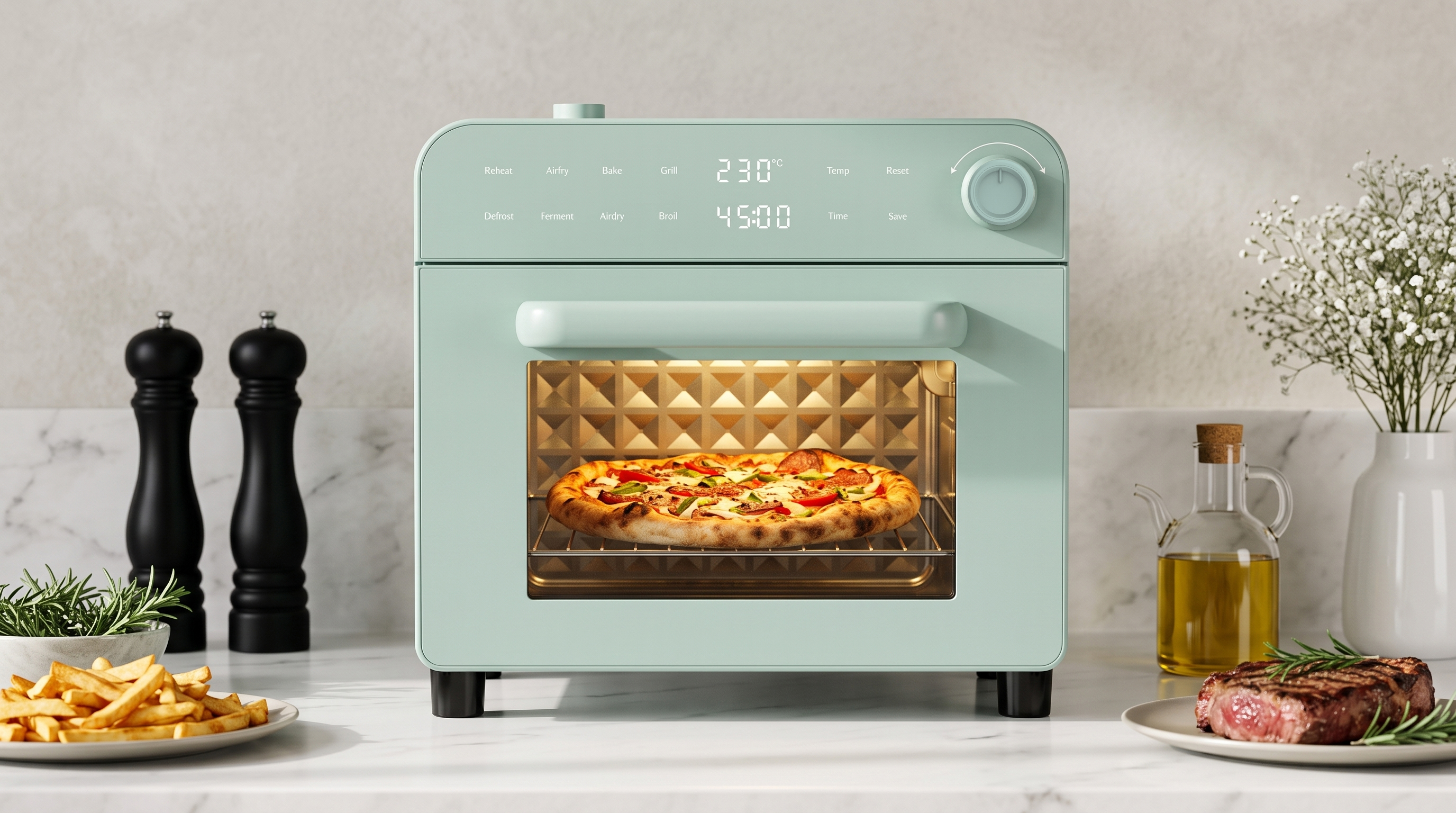
Start with product-market fit
A reliable sourcing process begins before the factory audit. Define the target retail channel, capacity range, control method, required certifications and target landed cost. This gives suppliers a comparable brief and prevents early quotations from being based on different assumptions.
- Target market and retail channel
- Required capacity, power and control platform
- Certification direction and packaging expectations
Validate engineering and compliance capability
Ask how the manufacturer manages design review, safety testing, component approval and change control. A capable OEM partner should be able to explain the evidence behind a claim instead of answering only with a yes or no.
Treat samples as an engineering checkpoint, not only a visual approval.
Compare total project risk
Unit price is only one part of the decision. Tooling, sample rounds, certification, packaging development, spare parts and schedule risk all affect the real commercial outcome. Build a comparison table that makes these items visible before nomination.
Agree on the launch process
Before the purchase order, confirm milestones, ownership, approval gates and escalation contacts. A written launch plan reduces delays when specifications or packaging change.